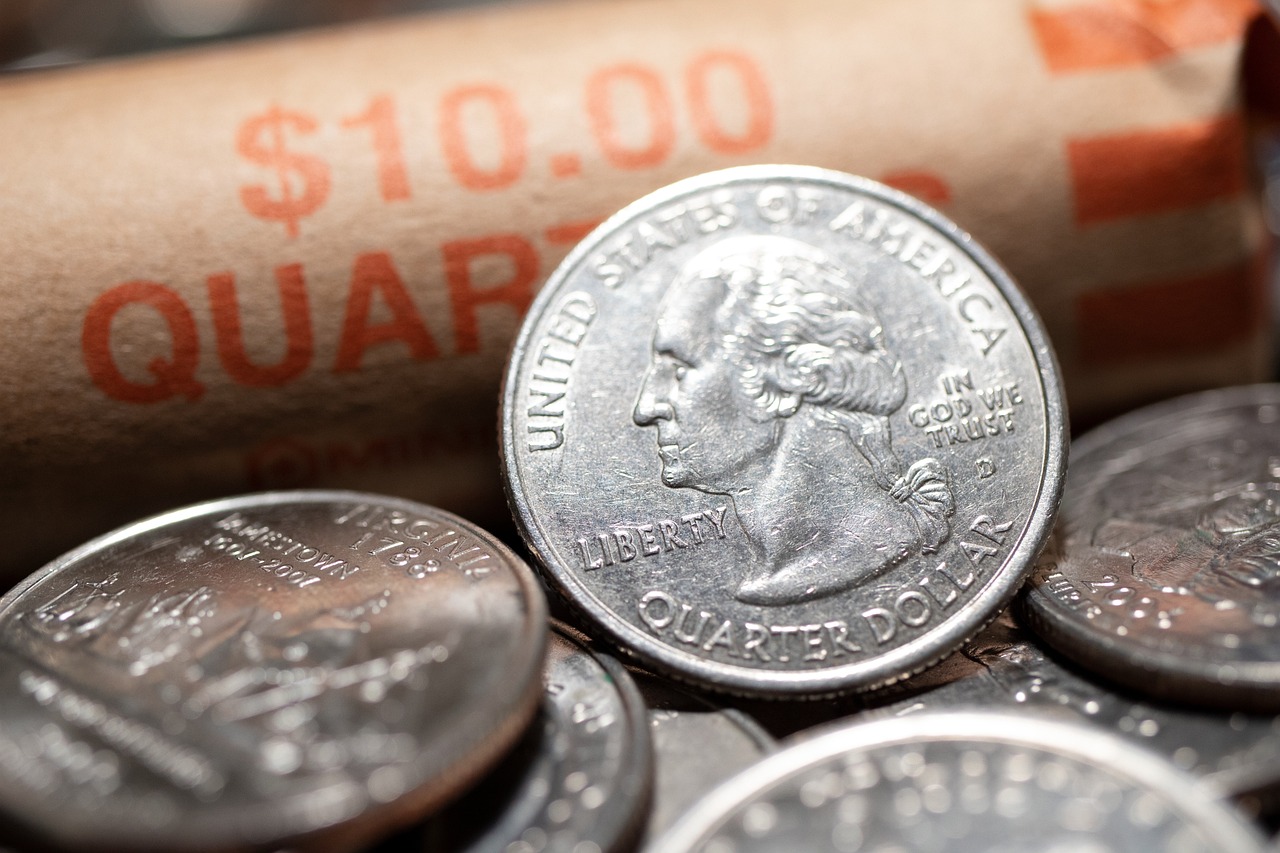
So why do laundromats only take quarters? The short answer is that coin mechanisms are cheap, tough, and nearly impossible to break, and the quarter has been the standard American vending coin for decades. Machines were built around that coin, and swapping the whole system out costs more than most owners can justify.
The Real Reason Some Laundromats Still Run on Quarters
If you've ever stood at a washer wishing you could just tap your card, you're not alone. We've seen reviews say "most modern laundromats take credit cards." It's a fair thing to wonder about. The answer has nothing to do with being old school. It comes down to cost, and most customers never see that side of it.
Here's what going cashless actually involves for an owner.
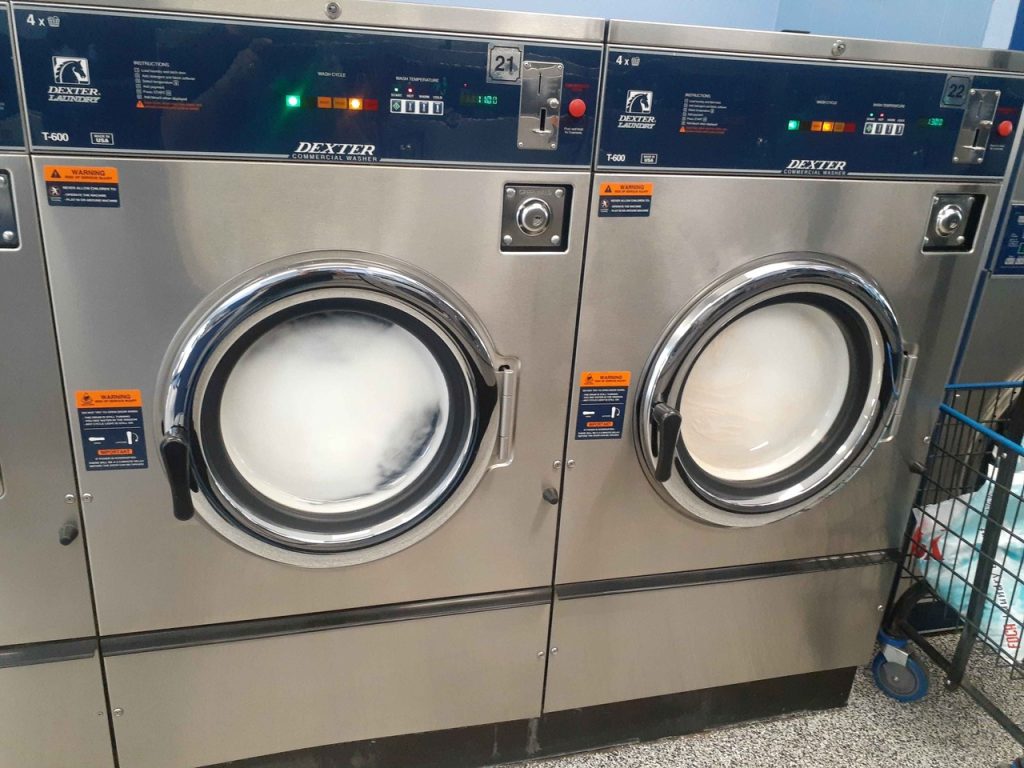
It usually means new machines, not a new gadget. A card reader isn't something you stick on the front of a washer. Many machines can't work with card or app systems at all, so going cashless often means replacing them outright. We run Dexter equipment, and a single large Dexter washer or dryer can cost $35,000 to $55,000 or more. Multiply that across a full floor of machines and you're looking at an investment many small, family-run laundromats can't make all at once.
Then come the ongoing fees. Every card swipe has a processing fee. Many card and app systems also charge their own fees for using their hardware and software. Those costs never go away, and they add up on a business where most transactions are a few dollars.
Coin mechanisms are easy to fix. Card readers aren't ours to fix. My husband does every repair on our machines himself. When a coin slot jams, he opens it up and has it running again quickly. A card reader belongs to the outside company that supplies it. When one breaks, you usually have to pay them to fix it or wait on their tech support, and they don't always fit our schedule. Meanwhile, that machine sits out of order.
Half-and-half creates its own problems. Some owners solve this by upgrading a few machines at a time. We've decided not to. A floor where some washers take cards and others don't means people waiting on the card machines while cash ones sit empty. Or worse, someone washes with a card and then finds out the dryers are coin only. We'd rather skip that frustration completely and upgrade only when every machine in the building can work the same way.
So why do some owners drop quarters anyway? Because coins are a lot of work. At our place it takes 2 to 3 hours every week to empty the coin boxes, count and weigh the quarters, and load them back into the change machines. In a recent American Coin-Op survey, more than half of the laundromat owners who answered named less coin handling as a reason to go cashless. At laundromats where the owner isn't on-site, cards or an app make collecting money much easier.
We see both sides every week. The Laundry Basket is a quarters-and-tokens laundromat in Hemet. Our sister location, The Laundry Hamper in San Jacinto, takes cash and also has a mobile payment app for customers who'd rather pay by card. Each setup has its trade-offs, and we picked what works best for each building.
Coins aren't going away anytime soon. In that same survey, about 37% of owners said coins are still essential and bring in most of their revenue. Here's why they still work well for customers:
- No transaction fees, so a small load stays a small load
- No card declines and no app to download
- Anyone can use them, including people without a bank account or smartphone
- Pricing is simple. Our dryers run in quarter increments, so you only pay for the minutes you need
Our tokens work at both of our coin-operated washers and dryers, The Laundry Basket and The Laundry Hamper, so you can use them at either location. Questions before you come in? Call or text us with a click of the button below.
What to Bring to the Laundromat as a First-Timer
Your first laundromat trip can feel a little awkward, but five minutes of packing at home takes care of most of it. The thing first-timers forget most often is detergent.
Pack these:
- Your laundry, sorted ahead of time: lights, darks, and towels or bedding
- Detergent. Pods are easiest because there's nothing to measure or spill
- Dryer sheets or fabric softener, if you use them (skip them on towels)
- Cash in small bills. We have 3 change machines on-site to break your bills, so you don't need to bring your own quarters
- A clean bag or basket for your finished laundry. Don't fold clean clothes back into the dirty bag
- Something to pass the time: a book, headphones, a phone charger
- Hangers for shirts that wrinkle quickly
Bring more laundry than you think you should. Our large-capacity washers handle comforters, sleeping bags, and several hampers in one load, so one big trip beats several small ones.
If your washer works but your dryer doesn't, you don't need to rewash anything. Wash at home, bring your clothes in wet, and just use our dryers. We welcome dry-only customers.
Avoid these first-trip mistakes:
- Overstuffing the washer. Clothes need room to move to get clean
- Using too much detergent. Extra soap leaves residue, not cleaner clothes
- Mixing a new red shirt in with whites
- Skipping the pocket check. A pen or lip balm in a hot dryer can ruin a whole load
- Leaving your laundry unattended. Someone may be waiting for that machine
If you can, come on a Tuesday or Thursday afternoon. Those are usually our quietest times, so you'll have more machines to choose from and no one waiting on you.
What to Do If You Run Out of Quarters Mid-Load
Your wash is done, your clothes are soaking wet, and you're a couple of quarters short of a dry. It's annoying, but it's easy to fix.
- Move your wet clothes into a dryer and close the door so the machine is saved for you.
- Use the change machine. If it won't take your bill, try a smaller one that's flat. Ones and fives go through more reliably than wrinkled twenties.
- Ask the attendant. We have someone on-site at all times, and helping with this is part of the job.
If you have to wait, don't let damp clothes sit in a hot car for hours. They'll start to smell, especially during a Hemet summer.
You don't need to stock up on quarters before you come in. We have 3 change machines on-site to break your bills. Just bring some ones and fives, since they go through more reliably than large or wrinkled bills.
If you do get stuck, just ask. Everyone here has been a quarter short at some point.