Twenty minutes handles a light, thin load and not much else. A packed dryer full of towels, jeans, or bedding usually needs 30 to 45 minutes, sometimes more. Load size, fabric weight, and how well your washer spun the water out matter more than the clock does.
Here's the part most people miss. The dryer isn't fighting time, it's fighting water.
Why 20 Minutes Usually Falls Short for a Full Load
Here's the part most people miss. The dryer isn't fighting time. It's fighting water.
Every pound of wet laundry holds water your washer couldn't spin out. The dryer has to heat that water until it turns to vapor, then push the vapor out the vent. That takes heat and airflow. Stuff the drum tight and the hot air can't reach the middle of the pile. The outside feels warm and dry while the core is still soaked.
We see this mistake all the time. Someone pulls a load at 20 minutes, feels the top layer, and calls it done. Then they get home and the jeans are cold and damp.
Here's a real example. A Hemet family comes in after a weekend at Diamond Valley Lake with two loads: one of shirts and one of beach towels. The shirts are done in about 20 minutes. The towels are still heavy at 30. That's normal. Nobody did anything wrong. The towels just carried a lot more water.
That's also why splitting one giant load into two smaller ones often finishes faster overall. It sounds backward, but it isn't. Two loose loads running side by side tumble properly and can both be done in about 30 minutes. One stuffed load can drag past 50 and still come out damp in spots.
If your dryer at home is the slow part of the job, our dryer-only service exists for exactly this. Wash at home, bring the wet laundry, and let a bigger machine finish it.
What Determines Drying Time
A dryer does two jobs. It heats the air, and it moves that air through your clothes to carry the moisture out. Anything that blocks heat or airflow stretches your time. That's why two people can start the same dryer at the same minute and walk away with totally different results. Since every dryer runs on time, it helps to know what each dryer cycle costs before you load up.
Here's what makes the biggest difference:
- How wet the clothes are going in. A strong final spin pulls out a lot of water before drying even starts. Clothes that came out of a weak spin can need close to double the time.
- Fabric type. Cotton towels, denim, and hoodies hold water deep in the fibers. Polyester shirts and athletic wear barely hold any, and they often finish in 20 minutes or less.
- Mixed loads. One pair of jeans in with your shirts sets the pace for the whole load.
- How full the drum is. Clothes need room to tumble and separate. A packed drum traps damp air in the middle and leaves you with a cold, wet core.
- Heat setting. Low heat is gentler but slower. Medium or high moves things along on sturdy fabrics.
Here's another real scenario. A guy comes in Saturday morning with twelve pairs of work jeans. He stuffs them all into one drum and sets 20 minutes. They come out warm on the outside and soaked in the pockets, so he keeps feeding the machine round after round. If he'd split them across two dryers, the jeans would have tumbled freely and finished in one solid cycle each.
Hemet's dry air gives you a small edge. Low humidity means the air pulled into the dryer can soak up moisture more easily than it would in a damp coastal town. But it won't rescue an overstuffed drum. Nothing will.
How to size up your load before you start:
- Sort by weight. Put towels and jeans in one dryer and light shirts and sheets in another.
- Fill the drum about halfway to two-thirds. You should see empty space above the clothes.
- Choose your heat: medium for cotton, low for anything stretchy or printed.
- Start with 20 minutes, then check the thickest spots: a seam, a waistband, the inside of a pocket. Those are the last places to dry. If they're cool to the touch, they're still damp.
- Add time a quarter or two at a time instead of making one long guess.
That last step matters more than people think. A couple of short top-ups beats one long cycle that overdries everything else in the drum.
Standard vs. Large-Capacity Dryers: What Changes
Two dryers can run the same 20 minutes and give you wildly different results. Size is the reason.
A standard home-size dryer holds a modest load. The drum is small, the airflow is weaker, and your clothes tumble in a tight circle. The wet fabric packs together, and hot air can't reach the middle of the pile.
Large-capacity dryers change the math. More room means the clothes tumble and separate, so air moves through the load instead of around it.
Here's what shifts when you move up in drum size:
- Tumble room: clothes fall and open up instead of clumping into a wet rope.
- Airflow: heated air passes through the fabric, not just over the surface.
- Moisture removal: steam leaves the drum faster, so it doesn't resettle on your clothes.
- Load flexibility: bulky items like comforters and towels get the space they need.
- Time: a load that keeps you feeding a small drum for 40 minutes or more can often finish in one solid cycle.
That last point matters most. Twenty minutes isn't a magic number. It only works when the machine has room to make it work.
Does that mean you should always grab the biggest dryer? Not quite.
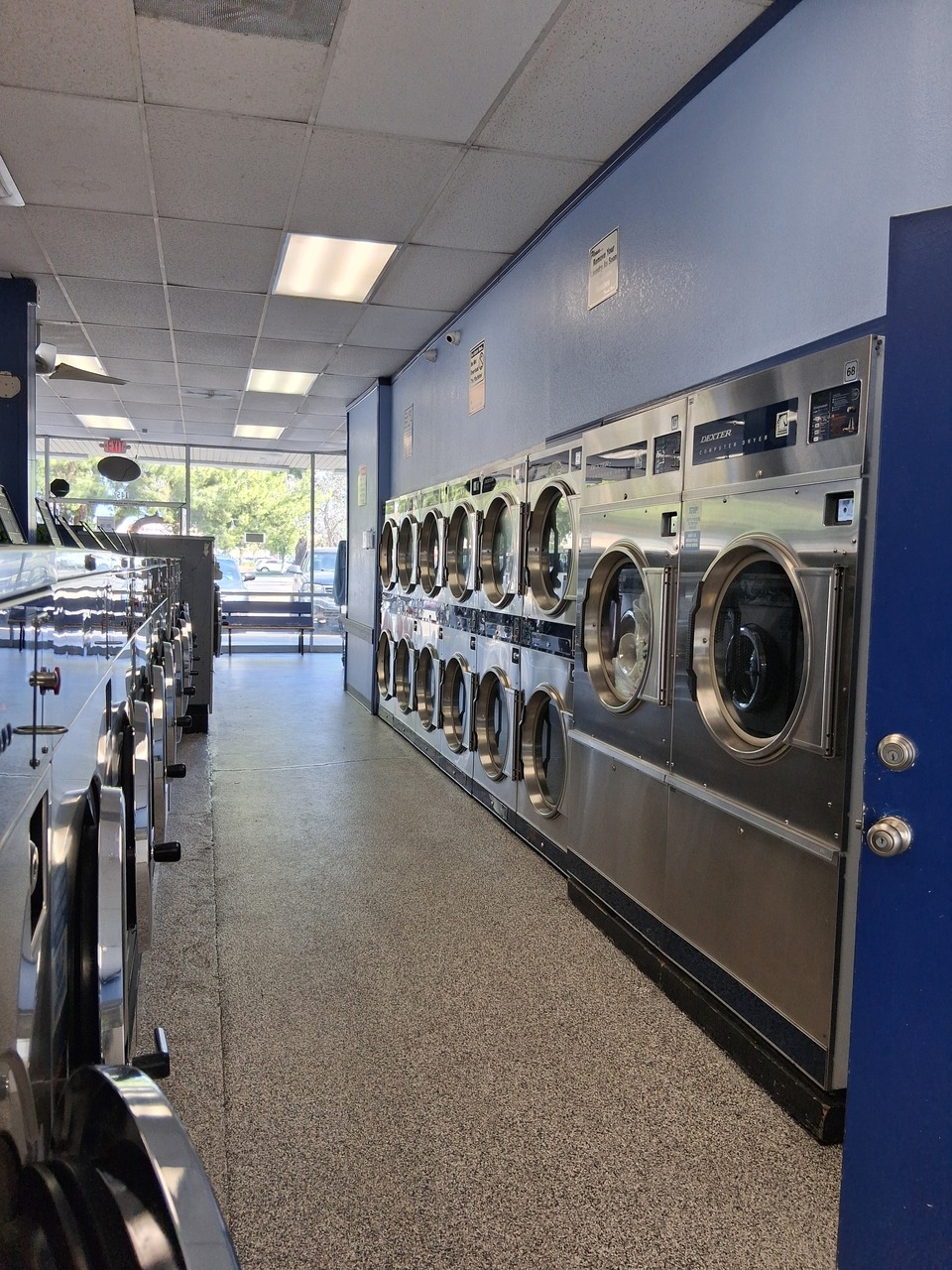
At The Laundry Basket, a quarter buys 6 minutes on our 3-load dryers, 5 minutes on our 5-load dryers, and 4 minutes on our 6-load dryers. The bigger drums cost more per minute, so they only pay off when you fill them right. A tiny load in a huge drum wastes heat. The clothes fly around without much contact, and you're paying for air. The sweet spot is a drum about two-thirds full: loose enough to tumble, full enough to hold the heat.
Fabric weight still rules everything. Light cottons and synthetics can finish in 20 minutes in almost any decent dryer. Heavy denim, thick towels, and anything with padding need the bigger drum to get anywhere close. When you're chasing speed, sort by weight, not by color.
Already washed at home and just need the drying done? Load up a big drum, run one solid cycle, and walk out with everything ready to put away. Not sure which dryer fits your load? Call or text us.