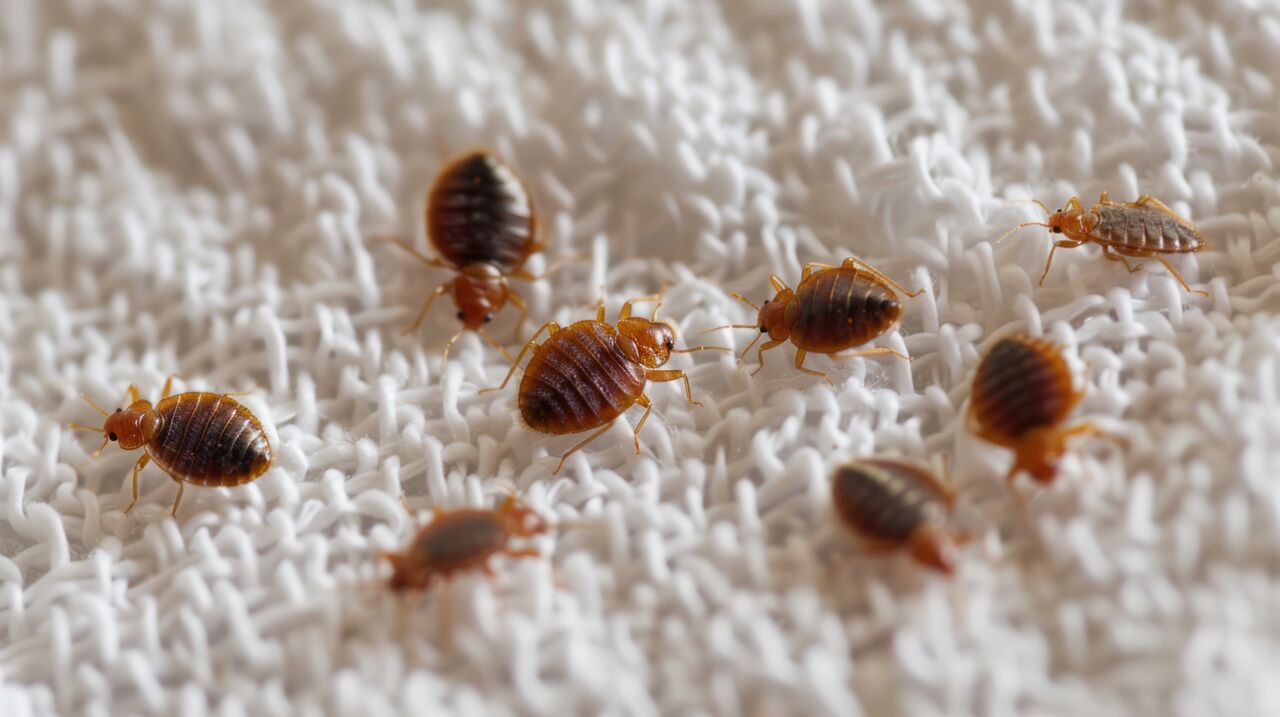
Can bed bugs spread at a laundromat? What you need to know starts with this: the worry is reasonable, but the odds are lower than most people think. Bed bugs travel on bags and clothes, not through the air or across floors in packs. Knowing that changes how you handle a load.
Why This Question Makes People Nervous
Nobody wants to be the person who brought bugs into a shared room. That's really what this fear is about.
You find a bite. Then another one. You strip the bed at 11pm and suddenly you're standing there with a pile of sheets and nowhere to put them. Your home machine is small, or you don't have one at all, so the laundromat is the obvious answer. And right then the second worry hits you. What if you spread it?
We hear this question a lot at our Hemet laundromat, and the people asking it are almost always the careful ones. That's worth saying out loud.
Part of the nerves come from bad information. Bed bugs get talked about like they're airborne or like they swarm. They don't. They're slow hitchhikers. They ride in seams, bag corners, and folded fabric, they don't march across a tile floor looking for a new host. But that nuance rarely makes it into the scary headlines.
Here's what drives the anxiety for most folks:
- Shame. People assume bed bugs mean a dirty home, and that's flat wrong. Spotless houses get them too.
- Not knowing the rules. You're unsure if you're even allowed to bring that laundry in.
- Fear of making it worse. You picture bugs crawling out of your bag and into someone else's basket.
- Uncertainty about heat. Most people aren't sure if a regular wash kills anything.Cost of getting it wrong. Redoing the whole house because one step was skipped.
That last one stings the most. So people freeze and do nothing, which is the worst outcome of all.
There's a Hemet piece to this too. A lot of homes and apartments around here are older, and shared walls in multi-unit buildings mean bed bugs can move between units without anyone doing a single thing wrong. Our dry summers don't slow them down either, they live indoors where it's climate controlled. So a tenant who's never traveled anywhere can still end up with a problem.
One scenario we see often: a renter gets a notice that a neighboring unit is being treated. Their own place looks fine. But now every blanket in the house feels suspect, and they've got a mountain of bedding to deal with before the pest company arrives.
That's a real situation with a real answer. Heat handles bed bugs. Sealed bags handle the transport. The two together are the whole game, and most people can do it right the first time once somebody explains the sequence -
Most people don't realize this until they're already mid-panic. But the risk of spreading bugs at a laundromat comes almost entirely from how you carry the laundry in, not from the machines themselves.
What Kills Bed Bugs During Laundry?
Here's the part most people get wrong. Water doesn't kill bed bugs. Detergent doesn't either. Heat does the work, and it's the dryer that does most of it.
Bed bugs and their eggs die when they hit sustained high heat. Researchers at the University of Minnesota Extension found that a hot dryer cycle kills all life stages, including eggs, when items reach and hold high temperatures. That's why the dryer matters more than the wash.
And eggs are the real problem. They're tiny, glued to fabric, and they shrug off cold water like nothing happened.
So if you've got a bag of bedding from a room you're worried about, skip the guessing. Run it through heat first. Wash later if you want it clean, but heat it first if you want it dead.
Here's the order we tell people to follow when they come in with a suspect load:
- Bag everything at home in a sealed plastic bag before you leave the house.
- Carry the bag straight to the dryer, not the folding table.
- Dump the contents right into the drum and seal that bag back up immediately.
- Run the highest heat setting your fabrics can handle for at least 30 minutes.
- Add another 10 to 15 minutes for thick items like comforters or mattress pads.
- Throw the used plastic bag in an outside trash can before you fold anything.
- Fold on a clean surface, then bag the clean items in a fresh bag for the ride home.
That first bag is the step people skip. We see it all the time. Someone carries a loose armful of bedding across the floor, sets it on a table, and now the table's a problem instead of the laundry.
Thirty minutes is the floor, not the goal. Heat has to reach the middle of the load, and a packed drum blocks that. A queen comforter jammed into a small machine will come out hot on the outside and lukewarm in the center, that's exactly where eggs survive.
This is where big drums earn their keep. Our biggest machines give heavy blankets room to tumble, so hot air moves through the fabric instead of around a tight ball of it.
A few things heat won't fix:
- Items you can't safely put in a dryer, like leather shoes or some delicates
- Bugs hiding in a backpack seam or suitcase lining you didn't empty
- A mattress or box spring, which no dryer is going to handle
- Anything left sitting in that plastic bag afterward
Dry-clean-only pieces need a different route. Bag them, label them, and talk to a cleaner who knows what you're dealing with.
One more thing worth saying out loud. Hemet summers get hot, but a car parked in the sun isn't a treatment. Temperatures swing, shaded spots stay cool, and eggs survive in the gaps. A controlled dryer cycle is measurable. Your trunk isn't.
Heat, long enough, with room to tumble. That's the whole formula.
That same focus carries through the practical house rules guidance our team provides to local families.
The Overlooked Risk Points Around the Machines
Here's the part most people miss. The washers and dryers are the safest things in the building. Heat kills bed bugs, and a full dryer cycle gets hot enough to finish the job. So the machines aren't the problem.
It's everything around them.
Bed bugs don't swim and they don't love hot metal drums. They hide in soft, dark, still places. That means fabric seats, cloth bags, and the corners nobody wipes down. We see folks guard the machine and then set a bag on the floor without thinking twice.
These are the spots worth a second look before you settle in:
- Upholstered chairs and padded benches, especially along the seams
- Your own laundry bag set directly on the floor or a seat
- Folding tables where someone just dumped an unwashed pile
- Baseboards and wall cracks behind the seating area
- Cloth or canvas carts, more so than hard plastic ones
None of that means a laundromat is crawling with bugs. It just means the risk follows soft surfaces, not appliances. And once you know that, you can sidestep almost all of it.
A customer in Hemet told me she'd been washing at home for months after a scare at an apartment complex. She was sure public machines were the danger. But her real exposure was the duffel bag she kept tossing on her car seat and then on the couch. Same bag, every trip. That's how things travel.
Want the short version of what to do?
- Bring your laundry in a sealed plastic bag, not a cloth one.
- Load straight from that bag into the machine, then toss or seal the bag.
- Skip the upholstered seats and use a hard chair or stand.
- Keep clean items in a fresh bag you didn't carry in.
- Run a hot dryer cycle, a full 30 minutes on high, before folding.
That last step matters more than anything else on the list. Heat is the whole ballgame. A high-heat dryer cycle handles eggs and adults alike, and it works whether you washed first or not. That's why dryer-only service is such a useful option for bedding, pillows, and anything you don't want to soak.
Large capacity machines help too. Cramming a comforter into a small drum leaves cold pockets, and cold pockets are where things survive. Give the load room to tumble.
Fold at home when you can, or use a cleaned table and wipe it first. Folding on a surface someone just used for dirty laundry undoes your own good work, it happens more than you'd think.