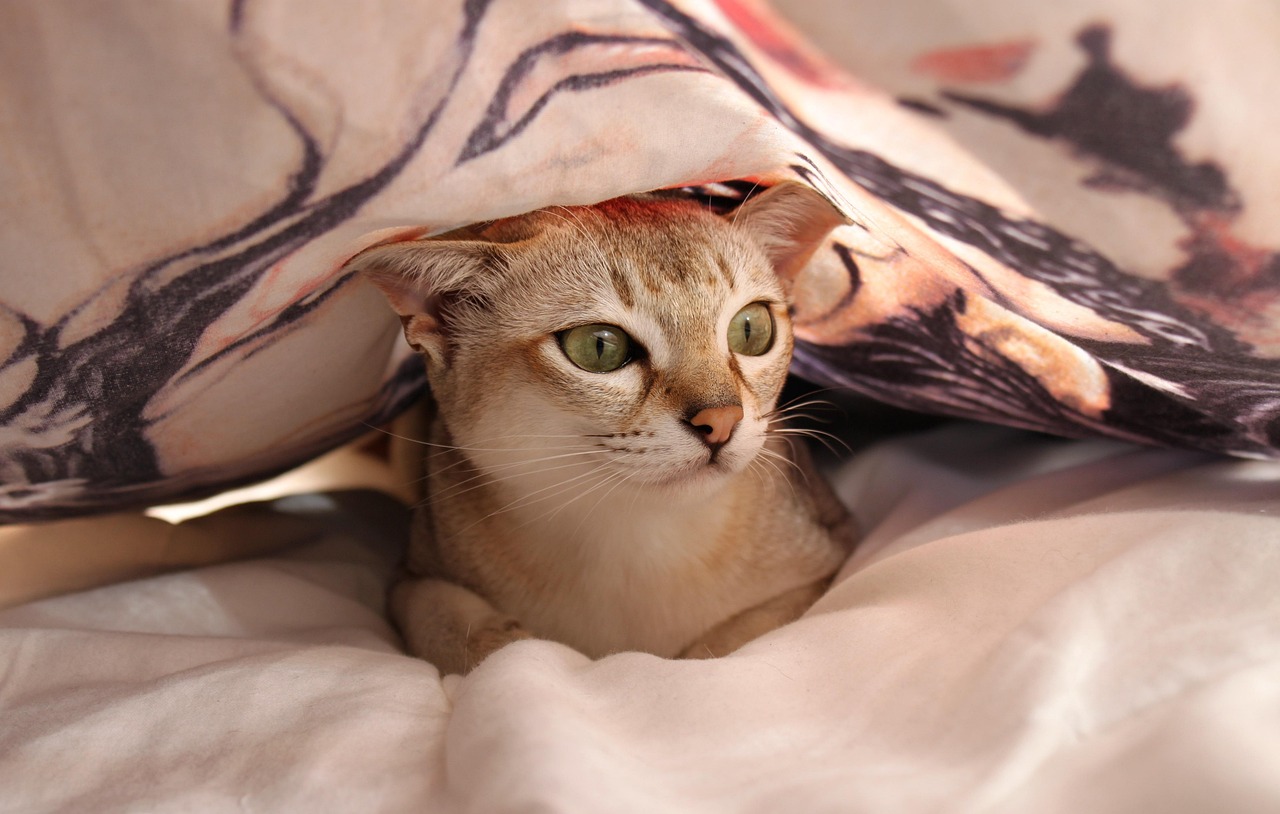
Yes, you can wash pet bedding at our Hemet laundromat, and most people do it because home washers are too small for a full-size dog bed. The key is prep: shake out loose hair outside, remove the cover if it zips off, and use a large capacity machine so water and soap can move freely. Washing pet bedding at home in a standard machine is what causes problems, not the laundromat.
Can I Wash Pet Bedding at a Laundromat? The Short Answer
So is it fine to bring your dog's bed to the laundromat? Yes, and it's the smarter choice for most pet owners in Hemet.
Here's the thing people get wrong. They think the laundromat is the risky option. It's the opposite. Your home washer was built for jeans and towels, not a 40-inch dog bed stuffed with foam. When you cram a big bed into a small drum, the water can't circulate. The soap can't rinse out. You end up with a bed that's still crunchy with hair and smells worse than when you started.
We see this mistake all the time. Someone tries it at home twice, ruins their machine's bearings, then comes in asking what they did wrong. Nothing, really. The machine was just too small.
Large capacity machines solve that. More drum space means the bed tumbles instead of sitting in a wet lump. That's the whole trick.
But there are a few things you should do before you walk in the door.
- Shake the bedding out hard, outside, before you leave the house. Loose hair is the number one issue.
- Unzip and remove the cover if the bed has one. Covers and foam inserts usually need different care.
- Check for rips or a torn seam. Stuffing that escapes mid-cycle makes a mess for everyone.
- Pull off collars, tags, squeaky toys, or anything hard buried in the folds.
- Give it a quick lint roller pass if the bedding is dark and the hair is light.
That prep takes about three minutes. It makes a bigger difference than any detergent you could buy.
Now, is it rude to bring pet stuff into a shared space? Fair question. Nobody wants to open a washer and find someone else's golden retriever fur waiting for them. But the answer isn't avoiding the laundromat, it's just doing the shake-out first. Hair that's already gone before the wash can't stick to the next person's shirts.
One more thing worth knowing. Hemet gets dry and dusty, especially in summer. Outdoor dog beds pick up way more grit here than they would in a coastal town. That dust settles deep into the fill, and a small home washer just pushes it around.
A real example. A customer brought in two large crate pads that had been sitting on a back patio since spring. She'd already run them through her home washer once. Still stiff, still smelled like dust. One cycle in a large capacity machine and they came out soft again. Same soap. Same water. Just more room.
The rest of this guide walks through the details: water temperature, drying, and what to do with foam inserts that say do not wash.
Why Machine Size Matters More Than Machine Policy
Most people ask the wrong question first. They want to know if pet bedding is allowed. But the thing that decides whether your dog bed comes out clean is the size of the drum you put it in.
Here's why. A pet bed needs room to tumble. Water and soap have to move through the whole thing, over and over. Cram a big bed into a small washer and the middle never gets wet. You pull out a bed that's soaked on the outside, dry and dirty in the core, and still smells like a wet dog.
This mix-up trips up a lot of pet owners.
There's a second problem too. Pet bedding soaks up a shocking amount of water. A bed that weighs six pounds dry can hit twenty pounds wet. That weight slams around inside a small drum, the machine goes off balance and shuts down mid-cycle. Now you're standing there with a sopping bed and no way to finish.
So how do you pick the right size? Use the bed itself as your guide, not the label on the machine.
- Lay the bed flat and look at how thick it is. Anything over four inches thick needs serious room.
- Roll it loosely. If the roll is bigger than a couch cushion, skip the small washers entirely.
- Put the bed in the drum and press it down gently. You want at least a third of the drum still empty.
- Check for a foam insert. If there's a solid foam core, wash the cover only and spot clean the foam.
- Add fur load into your thinking. A heavy shedder's bed acts bigger than it looks because the fur holds water.
That third step trips people up. Empty space isn't wasted space. It's what lets the bed flip, fold and rinse clean.
Hemet gets dry and dusty, and that dust settles deep into pet bedding along with fur and dander. A bed that looks fine on top can be packed with grit underneath. That's another reason room matters. Loose fur and dust need somewhere to go during the rinse, and a stuffed drum traps all of it right back in the fibers.
Ever washed a dog bed at home and had it come out heavier than when you started? That's water stuck in the filling, and it's a sizing problem, not a soap problem.
Our large capacity machines were picked with bulky stuff like this in mind, and they give a thick bed the tumble room it needs to rinse clean. A big drum also handles the spin cycle better. More water spins out, less drying time, less chance of that damp mildew smell setting in.
One customer brought in a bed for two labs that she'd been washing at home for a year. She thought the smell was permanent. It wasn't. It was just never fully rinsing in her home washer.
Policy tells you what you can do. Capacity decides how well it turns out. Want to see which machines fit a king comforter or a big dog bed? Here's a look at our large capacity washers.
How to Prep Pet Bedding Before You Wash It
Prep is where most of the work happens. The washing part is easy. It's the five minutes before you load that decide whether you get a clean bed or a soggy, hairy mess.
Here's the thing nobody tells you. Wet pet hair sticks like glue. Once it hits water it bonds to fabric and it's not coming off in the wash. So every hair you remove dry is one less hair you fight later.
Skipping this step is the most common misstep: people toss the bed straight in and wonder why it comes out fuzzy.
Follow these steps in order and you'll get a much better result.
- Take the cover off. Most dog beds have a zippered cover and a foam or fiber insert. Check the tag. Some inserts wash fine, some don't.
- Shake it out hard. Do this outside. Hemet gets windy in the afternoon, so stand with the breeze at your back and let it carry the hair away.
- Brush or scrape the fabric. A stiff brush, a rubber glove, or even a pumice stone pulls up an amazing amount of hair. Work in one direction.
- Vacuum the seams and corners. Hair hides in the piping. Ten seconds with a hose attachment gets most of it.
- Spot treat the bad areas. Dab pet-safe stain remover on drool spots, muddy paw marks, or accidents. Let it sit about ten minutes.
- Rinse off dried mud. If there's caked dirt, hose it down first. Dry mud turns to sludge in a machine.
- Check for damage. Look for torn seams or chewed corners before you load anything.
That last one matters more than you'd think. A small hole becomes a big hole in a fast spin cycle. And a burst foam insert makes a mess nobody wants to clean up.
Quick scan before you load. Run through this list:
- Loose hair removed as much as possible
- No hard chunks of mud or sand
- Zippers closed and velcro fastened
- Squeaky toys and chew bones pulled out of the folds
- Care tag read, or at least glanced at
Toys in the bed are a real thing. One customer brought in a big orthopedic bed and a tennis ball was wedged under the cover the whole time. She never noticed until it thumped around the drum.
Ever wonder why your washer at home never gets the bed truly clean? Usually it's not the detergent. It's that the bed can't move. Pet bedding needs room to tumble and flip so water reaches the middle. A crammed drum just soaks the outside and leaves the core dirty.
That's the whole reason big drums exist.
One more prep tip. Wash pet bedding by itself. Don't mix it with towels or clothes, the hair just transfers over. Blankets your pet sleeps on can go together, everything else waits its turn.
Prep well, and the machine does the rest.